
On-Time Scheduling Starts With Communication
15 March 2026
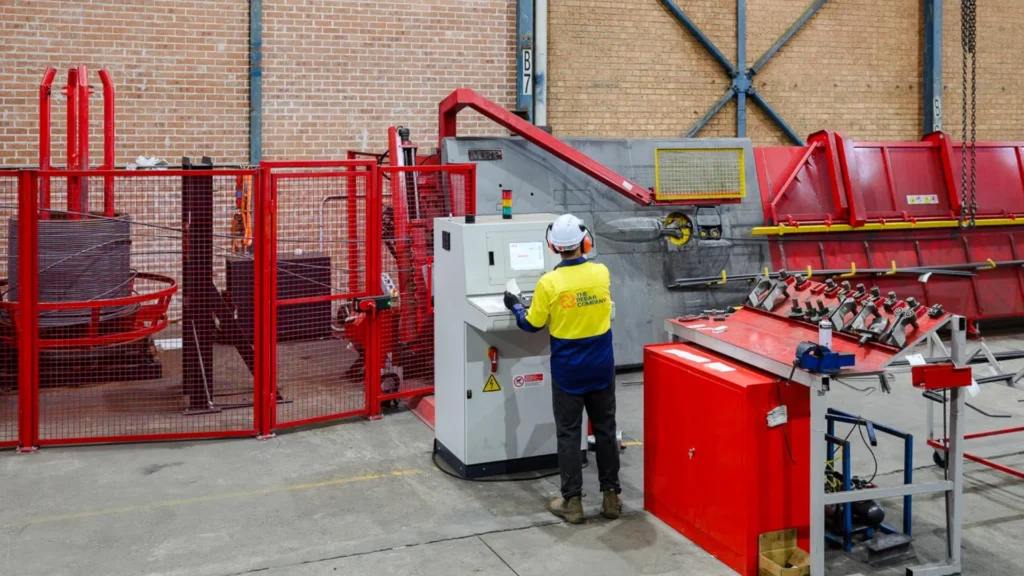
Late reinforcement doesn’t just delay a pour. It idles trades, disrupts sequencing, and pushes pressure onto every stage of the programme that follows. Most of the time, the fix isn’t more capacity on the fabrication floor. It’s clearer communication earlier in the process, between us and the builder, well before delivery day becomes the deadline everyone’s watching.
Understanding what builders are actually managing
Builders are coordinating multiple trades against a programme with little room to move. Reinforcement is one piece of a much larger sequence, and a delivery that’s technically on time but poorly timed against site readiness can cause almost as much disruption as one that’s genuinely late. When we understand where reinforcement fits into that sequence, not just the delivery date but what’s happening on site before and after it arrives, we can plan fabrication and delivery around the realities of the build rather than just the order on paper.
Where communication actually makes the difference
Our estimating team prepares detailed take-offs and bar bending schedules from construction drawings for every confirmed project. Those schedules are only useful for as long as they stay aligned with what’s actually happening on site. Programmes shift, access constraints change, and pour dates move. That means flagging sequencing changes early on our side, confirming site access before delivery day, and being upfront if something on our end needs adjusting, rather than letting a builder find out when a truck doesn’t show.
It works both ways. The projects that run smoothly are the ones where builders keep us in the loop on programme changes as early as they know about them themselves, not after a delivery has already been missed.
Delivery built around the programme, not a fixed dispatch schedule
Our own vehicle fleet, semi-trailers and rigid body trucks, rather than contract carriers, gives us direct control over delivery timing instead of relying on a third party’s availability. Many of our vehicles carry vehicle-mounted cranes, which removes the need for site lifting equipment and reduces coordination on unloading. Flexible scheduling, including staged and just-in-time delivery, is planned around the construction programme itself, and adjusted as that programme moves.
What good communication looks like in practice
It’s rarely one big conversation. It’s a series of small ones: confirming a bar bending schedule before fabrication locks in, checking in ahead of a staged delivery, flagging a material substitution before it becomes a surprise on site. None of it is complicated, but it has to happen consistently and early enough to matter.
The result
Reinforcement schedules don’t fail because the fabrication was wrong. They fail because someone found out too late that something had changed. Keeping that line open, on both sides, is what keeps a project on schedule.
If you’d like to discuss scheduling for an upcoming project, please contact us.